
 FR
FRMedical cannabis capsules and edibles: dose, timing and precautions
Swallowed products avoid inhalation and provide a labelled amount, but delayed and variable absorption makes taking more too soon particularly risky.
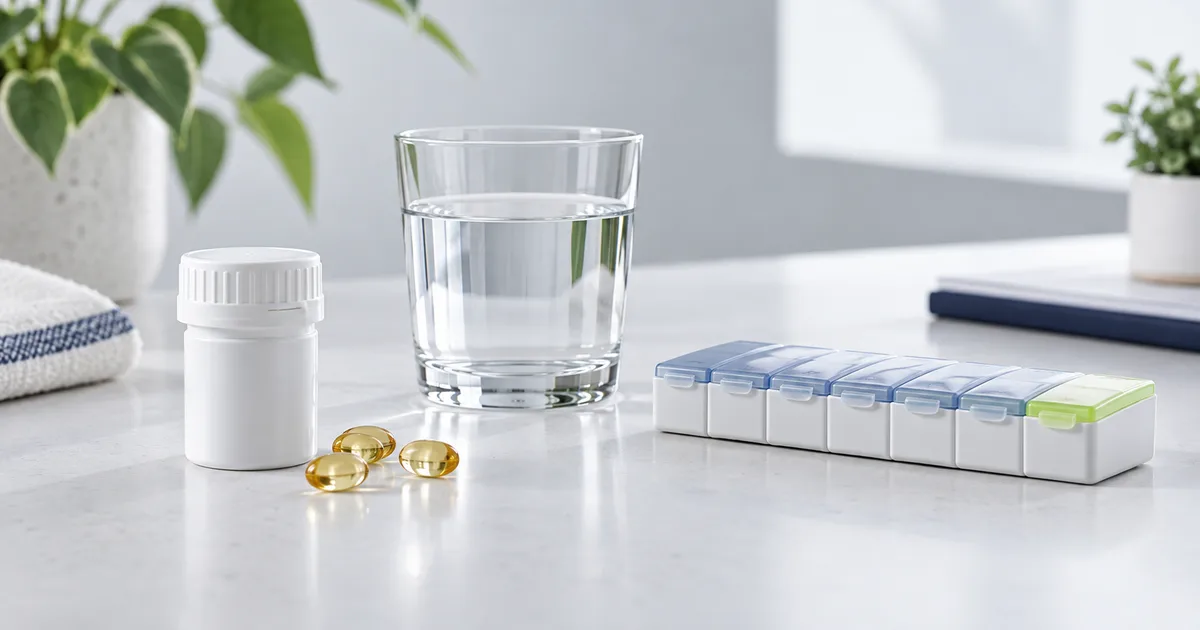
Capsules, softgels, drinks and infused foods all use the digestive route. Their presentation differs, but their shared feature matters: effects cannot be judged in the first few minutes. Read the amount in milligrams of THC and CBD per unit and relate it to the plan established with the practitioner.
Medical cannabis capsules in Canada
Health Canada licensed sellers may offer capsules or softgels containing THC, CBD or both, depending on their inventory. In the medical access pathway, the patient needs the applicable medical document and must complete registration with a licensed seller. A capsule supplied through this pathway remains a cannabis product: its label, amount per unit and practitioner directions matter more than its pharmaceutical appearance.
What a capsule can simplify
A capsule provides a predetermined amount per unit and avoids measuring a liquid for every dose. That can make a routine and treatment journal easier. It does not guarantee the same effect each day: meals, digestion, other medications, formulation and individual sensitivity can all change absorption.
Oral timing requires patience
Health Canada says an eaten or drunk product may begin to act in 30 minutes to 2 hours, reach its strongest effect after 2 to 4 hours and last 4 to 8 hours. Some effects, including impairment, can persist longer. Taking more before the full effect may stack doses and create a much stronger experience than intended.
A capsule and an edible are not interchangeable by unit
One capsule, chocolate or drink does not automatically equal one dose. Compare milligrams per unit and per package, the THC-to-CBD ratio and the instructions. Oral preparations studied in the literature show substantial pharmacokinetic variability; appearance does not predict onset or intensity.
The liver's role
After ingestion, THC passes through the digestive system and liver, where some is converted to active metabolites including 11-hydroxy-THC. This first-pass process contributes to a profile different from inhalation and to an effect that may be stronger or longer. It does not support a simple conversion from an inhaled dose to an oral one.
Reduce common errors
- Read both levels — check THC and CBD per unit and the total in the package.
- Wait — follow the recommended interval before any change or repeat dose.
- Keep conditions consistent — take the product under comparable conditions in relation to meals.
- Record — note time, dose, onset, duration, adverse effects and daily function.
Children, pets and food confusion
An edible may look like ordinary food. Keep every product in its original child-resistant packaging, locked and separate from food. Never leave it in a candy bowl, unlabelled bag or accessible pill organizer.
When to contact the practitioner promptly
Report substantial drowsiness, confusion, marked anxiety, palpitations or any concerning reaction. Discuss medications and health conditions before use as well: the oral route often prolongs exposure and may complicate an interaction.
Does a capsule work faster than an edible?
How long should I wait before another dose?
Are capsules easier to dose?
Ask the Coverleaf team your question
Leave only your contact details and the best time to reach you. Requests received during business hours get a same-day callback. This public form asks for no sensitive medical information; eligibility and any prescription remain subject to the applicable assessments and approvals.
Ready to take the first step?
Start your request online without a family-doctor referral. A licensed practitioner then determines the assessment format required for your situation.
Talk to a practitioner
Submit your request online today. The decision always rests with the practitioner after assessment.
General information, not medical advice. Coverleaf does not guarantee a prescription or coverage. For adults of legal age. In an emergency, call 911.